

Hurricane Prep for Suburban Households: What to Do Before the Storm


Hurricane Prep Looks Different When You're in the Suburbs
Suburban hurricane prep isn't just boarding up windows and grabbing bottled water the night before landfall, though plenty of guides make it sound that simple.
It's really about making sure your household can handle wind, rain, flooding, outages, blocked roads, and a few days of supply delays without everything falling apart. For most families, the biggest problems after a hurricane aren't dramatic. They're just plain inconvenient: no power, no Wi-Fi, limited fuel, a fridge full of spoiled food, blocked roads, long lines at the store, restless kids, phones dying, and unclear updates from every direction.
A good plan gets ahead of all of that before the storm even arrives.
Start a Week Out, Not the Night Before
If a hurricane might be heading your way, don't wait for the final day to start preparing. Seven days out, run through the basics: water, food, medication, batteries, flashlights, power banks, pet food, fuel, first aid, important documents, cash, and a way to follow storm updates. The earlier you start, the less you're competing with everyone else for the same shelf of bottled water.

Water Comes First, Same as Always
Water is still your top priority here, maybe more than usual. The CDC recommends one gallon per person, per day, for three days minimum. For hurricanes specifically, we'd lean toward storing more than the bare minimum, since flooding, power loss, and infrastructure damage can all affect local water service in ways a regular outage wouldn't.
Fill large food-grade water containers , pitchers, and any clean bottles you have. If you use bathtub water storage bags, this is the time. Don't forgetbackup water and bowls for pets.
A practical rule: Gather rainwater using a 50-gallon rain barrel for cleaning and flushing if you need to stretch supplies, and save your bottled or treated water for drinking and cooking.
Food That Works Without Power
Keep your hurricane food simple and focused on meals that don't need a working fridge, oven, or microwave.
Canned meals, tuna or chicken packets, crackers, peanut butter, protein bars, fruit cups, instant oatmeal, shelf-stable milk, ready-to-eat rice, electrolyte drinks, coffee or tea, and pet food round this out well.
Tip: Having emergency good supply packages can come in handy for long-term lack of food sources.
If the power does go, eat what's perishable first, but try not to open the fridge and freezer more than you have to.
Get Your Lighting Sorted Early
Lighting is one of the easiest things to handle ahead of time, so do it before the weather turns.
Charge every rechargeable light you own, test your flashlights, swap out any weak batteries, and place lights in bedrooms and bathrooms where people will actually need them. A compact and durable flashlight by the main door and a rechargeable headlamp for each adult go a long way. Skip the candles. Battery lighting is just safer, especially with wind and rain involved.
Charge Everything Before the Power Goes
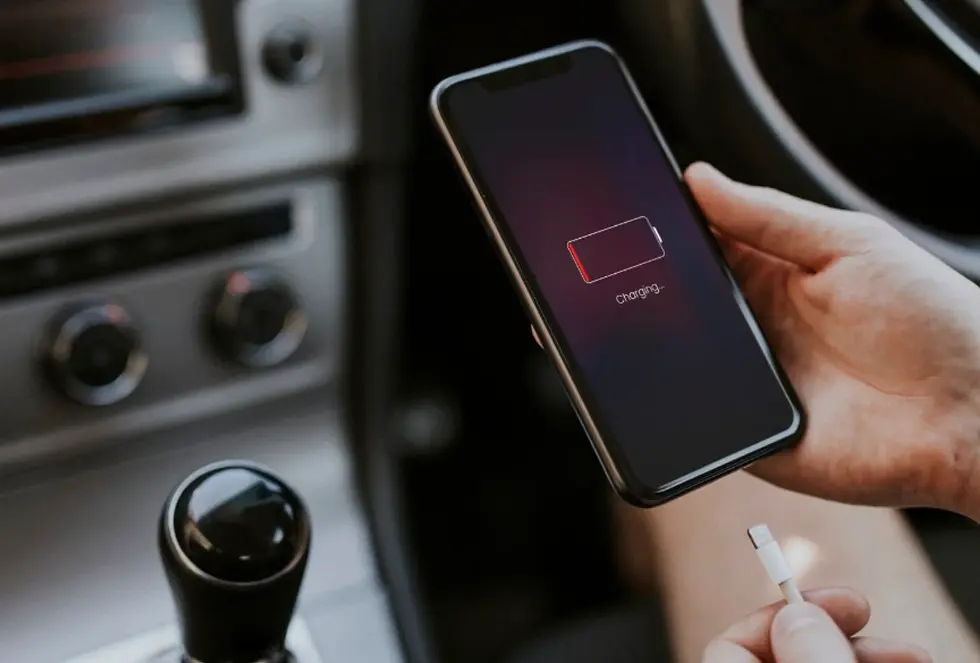
Top everything off while you still can: phones, tablets, laptops, power banks, portable power stations, rechargeable fans, emergency radios, flashlights, and battery lanterns. If you have a car, keep the tank at least half full. It can work as a backup charging source, but only in a well-ventilated area, and never in a closed garage.
Walk the House Before the Weather Turns
Take a walk around your property before conditions get bad. Bring in patio furniture, trash cans, garden tools, outdoor toys, planters, umbrellas, and any loose decorations. Check gutters and drains if it's safe to do so, and move valuables out of low-lying areas if flooding is a possibility where you are.
If your home uses storm shutters, plywood, or other window protection, install it early. Strong wind makes that job a lot harder, and more dangerous, later.
Have a Communication Plan Everyone Knows
Write down your emergency contacts, local emergency numbers, an out-of-area contact, your family meeting place, where you'd evacuate to, hotel options, pet-friendly shelters, and any important medical information.
Keep an emergency radio charged and ready. Ready.gov recommends a radio, flashlight, batteries, food, water, and other basics as part of any solid emergency kit.
Decide to Stay or Go Before You're Under Pressure
Don't let evacuation decisions come down to pride or a last-minute guess when the storm's already overhead.
If officials call for an evacuation in your area, take it seriously. Work out ahead of time where you'd go, what route you'd take, how much fuel you'd need, what you'd pack, whether pets can come along, who in your circle might need help getting out, and which documents you'd grab on the way. Having that decided in advance makes the actual decision a lot less stressful when it matters.
Pack a Go Bag, Even If You Plan to Stay
Even if you're expecting to ride the storm out at home, keep a go bag ready by the door. Water, snacks, medication, first aid, phone chargers, a power bank, a flashlight, a radio, cash, IDs, insurance copies, a change of clothes, toiletries, pet supplies, and a comfort item or two for the kids.

After the Storm Passes
Don't rush outside the moment the wind dies down. Watch for downed power lines, floodwater, broken glass, loose branches, gas smells, damaged structures, contaminated water, and blocked roads.
Check on neighbors when it's safe to do so, especially older adults and families with young kids. And take photos of any damage before you start cleaning up, your insurance company will want them.
The Bottom Line
Hurricane prep isn't about fear. It's about cutting down on chaos when the forecast turns serious.
Start early, store your water, charge your devices, secure the house, plan for outages, know your stay-or-go decision ahead of time, and keep your family in the loop the whole way through.
The best hurricane plan is the one your family can actually follow when it counts.
Be ready before the next storm. Shop hurricane preparedness essentials today!
Sources:
Frequently Asked Questions
1. What is a hurricane?
A hurricane is a powerful tropical storm that forms over warm ocean waters and has sustained winds of at least 74 mph (119 km/h). Hurricanes can bring strong winds, heavy rainfall, flooding, storm surges, and tornadoes, making them one of the most destructive natural disasters.
2. When is hurricane season?
In the Atlantic, hurricane season runs from June 1 to November 30, with most storms occurring between August and October. Preparing before the season begins gives you more time to gather supplies and make an emergency plan.
3. How do you know if there is a hurricane coming?
Weather agencies track storms using satellites, radar, and forecasting models. You'll receive updates through weather alerts, emergency notifications, and local news. A Hurricane Watch means conditions are possible, while a Hurricane Warning means they're expected soon.
4. How does a hurricane form?
Hurricanes form over warm ocean waters when moist air rises and creates thunderstorms. As the storm gains strength and begins to rotate, it can develop into a tropical storm and eventually a hurricane if wind speeds reach at least 74 mph (119 km/h).
5. What should you put in a go bag?
A hurricane go bag should include water, non-perishable food, medications, a first aid kit, flashlight, batteries, phone charger, power bank, important documents, cash, extra clothing, toiletries, and supplies for pets or young children if needed.
6. How do you prepare for a hurricane?
Prepare by stocking emergency supplies, securing your home, charging electronic devices, fueling your vehicle, and creating a family emergency plan. Stay updated with official weather forecasts and follow evacuation orders if local authorities issue them.


Comments